
Introduction
Seamless steel pipes have become indispensable in various industrial sectors due to their superior strength, durability, and uniformity compared to welded pipes. These pipes are manufactured without any welding seams, making them ideal for applications requiring high pressure, temperature, and corrosion resistance. This comprehensive guide delves into the types, applications, and selection criteria of seamless steel pipes, providing valuable insights for professionals in the industry.
1.Types of Seamless Steel Pipes
Seamless steel pipes, as the name suggests, are pipes that are manufactured without any welding seams. This manufacturing process endows them with superior strength, durability, and uniformity compared to their welded counterparts. They are widely used across various industries due to their ability to withstand high pressure, temperature, and corrosive environments. In this section, we will delve deeper into the different types of seamless steel pipes, exploring their descriptions, properties, and applications.
1. 1 Stainless Steel Seamless Pipe
Stainless steel seamless pipes are crafted from stainless steel, a material renowned for its exceptional corrosion resistance. Stainless steel is an alloy of iron, chromium, and sometimes nickel and other elements, which together form a passive oxide layer on the surface of the pipe. This oxide layer acts as a protective barrier, preventing the underlying metal from coming into contact with corrosive substances. As a result, stainless steel seamless pipes are highly resistant to rust, staining, and corrosion, even in harsh environments.
Properties:
Corrosion Resistance: The primary property of stainless steel seamless pipes is their outstanding corrosion resistance, making them ideal for applications where exposure to corrosive fluids and gases is common.
Strength and Durability: Stainless steel is inherently strong and durable, allowing these pipes to withstand high pressure and mechanical stress without deforming or failing.
Hygiene: The smooth, non-porous surface of stainless steel seamless pipes makes them easy to clean and maintain, ensuring hygiene in sensitive applications.
Applications:
Chemical Industry: Stainless steel seamless pipes are widely used in the chemical industry for transporting corrosive chemicals, acids, and alkalis. Their resistance to corrosion ensures the integrity of the pipeline system, preventing leaks and contamination.
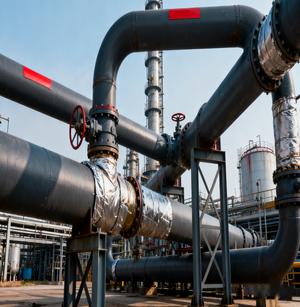
Petrochemical Industry: In the petrochemical industry, these pipes are used to convey crude oil, natural gas, and various petrochemical products. Their strength and durability make them suitable for high-pressure and high-temperature applications.
Food Processing Industry: The hygiene and corrosion resistance of stainless steel seamless pipes make them ideal for use in the food processing industry. They are used to transport food products, beverages, and cleaning agents, ensuring the safety and quality of the final product.
1.2 Seamless Stainless Steel Pipe
Seamless stainless steel pipes are a subset of stainless steel pipes, specifically designed for high-purity applications and environments requiring minimal contamination. These pipes are manufactured with even stricter quality control measures to ensure the absence of impurities and defects that could compromise their performance in sensitive applications.
Properties:
High Purity: Seamless stainless steel pipes are manufactured to meet stringent purity standards, making them suitable for applications where even trace amounts of contaminants could be detrimental.
Corrosion Resistance: Like their stainless steel counterparts, these pipes offer excellent corrosion resistance, ensuring long-term reliability in corrosive environments.
Smooth Surface Finish: The manufacturing process of seamless stainless steel pipes results in a smooth surface finish, reducing the risk of contamination and facilitating easy cleaning.
Applications:
Pharmaceuticals: In the pharmaceutical industry, seamless stainless steel pipes are used to transport pharmaceutical ingredients, intermediates, and finished products. Their high purity and corrosion resistance ensure the integrity and safety of the pharmaceutical products.
Semiconductor Manufacturing: Semiconductor manufacturing requires a clean and controlled environment to prevent contamination of the delicate semiconductor wafers. Seamless stainless steel pipes are used to convey various gases and chemicals used in the manufacturing process, ensuring minimal contamination and high product quality.
Medical Equipment: Medical equipment, such as surgical instruments and implants, must be made from materials that are biocompatible and resistant to corrosion. Seamless stainless steel pipes are used to manufacture various components of medical equipment, ensuring their reliability and safety in medical applications.
1.3 ASTM A53 Seamless Pipe
ASTM A53 seamless pipes adhere to the ASTM A53 standard, which specifies requirements for the manufacture of seamless and welded steel pipes for high-temperature and low-temperature services. These pipes are available in various grades and types, each designed to meet specific application requirements.
Properties:
Versatility: ASTM A53 seamless pipes are versatile and can be used in a wide range of applications, thanks to their adherence to a recognized standard.
Strength and Durability: These pipes are manufactured to withstand high pressure and mechanical stress, ensuring long-term reliability in demanding applications.
Temperature Resistance: ASTM A53 pipes are suitable for both high-temperature and low-temperature services, making them ideal for applications where temperature variations are common.
Applications:
Plumbing Systems: ASTM A53 seamless pipes are widely used in plumbing systems to transport water and other fluids. Their strength and durability ensure the integrity of the plumbing system, preventing leaks and failures.
Heating and Air-Conditioning Systems: These pipes are also used in heating and air-conditioning systems to distribute hot and cold air. Their temperature resistance makes them suitable for use in both heating and cooling applications.
General Industrial Applications: ASTM A53 seamless pipes find applications in various general industrial settings, such as conveying gases and liquids under moderate pressure, manufacturing machinery and equipment, and structural applications.
1.4 Large Diameter Seamless Pipe
Large diameter seamless pipes are characterized by their larger outer diameter, which makes them suitable for high-capacity fluid transportation. These pipes are manufactured using advanced manufacturing processes to ensure uniformity and strength across their entire length.
Properties:
High Capacity: The larger diameter of these pipes allows for the transportation of larger volumes of fluid, making them ideal for high-capacity applications.
Strength and Durability: Large diameter seamless pipes are manufactured to withstand high pressure and mechanical stress, ensuring long-term reliability in demanding applications.
Uniformity: The seamless manufacturing process ensures uniformity across the entire length of the pipe, preventing weak points that could compromise its performance.
Applications:
Oil and Gas Pipelines: Large diameter seamless pipes are widely used in oil and gas pipelines to transport crude oil and natural gas over long distances. Their high capacity and strength make them suitable for this demanding application.
Water Supply Systems: These pipes are also used in water supply systems to transport large volumes of water from sources to distribution points. Their durability ensures the integrity of the water supply system, preventing leaks and contamination.
Structural Applications: Large diameter seamless pipes find applications in various structural settings, such as bridges, buildings, and offshore platforms. Their strength and uniformity make them suitable for use as structural members, providing support and stability to the structure.
In conclusion, seamless steel pipes come in various types, each designed to meet specific application requirements. From stainless steel seamless pipes offering excellent corrosion resistance to ASTM A53 seamless pipes adhering to recognized standards, and large diameter seamless pipes suitable for high-capacity fluid transportation, there is a seamless steel pipe for every application. Understanding the properties and applications of these different types of seamless steel pipes is essential for selecting the right pipe for your specific needs.
2.Applications of Seamless Steel Pipes
Seamless steel pipes, with their seamless construction and superior mechanical properties, have found widespread applications across various industries. Their ability to withstand high pressure, extreme temperatures, and corrosive environments makes them indispensable in many critical applications. Below, we delve into some of the primary areas where seamless steel pipes play a pivotal role.
2.1 Hydraulic Systems
Hydraulic systems are the backbone of many industrial machines and equipment, providing the power and precision needed for smooth operation. Seamless steel pipes, particularly those designed for hydraulic applications, are engineered to meet the stringent requirements of these systems.
Hydraulic Seamless Cylinder Tube for Precision Hydraulic Systems, These specialized tubes are crafted with precision to ensure seamless integration into hydraulic cylinders, actuators, and other hydraulic machinery. Their seamless construction eliminates weak points that could lead to leaks or failures under pressure, ensuring reliable and long-lasting performance. The high-quality surface finish of these tubes reduces friction, enhancing the efficiency of the hydraulic system. They are used in a variety of hydraulic applications, from construction equipment like excavators and loaders to manufacturing machinery such as presses and injection molding machines. The ability to withstand high pressures and repetitive cycles makes them ideal for precision hydraulic systems where accuracy and durability are paramount.
2.2 High-Temperature and High-Pressure Applications
In industries where materials are subjected to extreme temperatures and pressures, seamless steel pipes are the go-to choice due to their robustness and resistance to deformation.
Boiler Seamless Tube for High-Temperature and High-Pressure Applications, Boilers are critical components in power plants, chemical processing units, and various industrial heating systems. These systems operate under conditions that would quickly degrade ordinary pipes. Boiler seamless tubes are specifically designed to withstand the intense heat and pressure within boilers, ensuring safe and efficient operation. They are made from high-grade steel alloys that retain their strength even at elevated temperatures, preventing catastrophic failures. These tubes are used not only in the main boiler body but also in superheaters, reheaters, and economizers, where they play a crucial role in transferring heat efficiently while maintaining structural integrity. Their reliability is essential for the continuous operation of power plants and industrial facilities, where downtime can result in significant financial losses.
2.3 Precision Engineering
Precision engineering demands components that meet exacting standards in terms of dimensional accuracy, surface finish, and mechanical properties. Seamless steel pipes, particularly those processed through cold drawing, excel in these applications.
Cold-Drawn Precision Seamless Tube with High Dimensional Accuracy, Cold drawing is a manufacturing process that involves pulling the tube through a die to achieve the desired dimensions with high precision. This process not only ensures tight tolerances but also improves the surface finish of the tube, reducing friction and wear in moving parts. These precision tubes are widely used in automotive components, where they form the basis for shock absorbers, fuel injectors, and steering systems. In machine tools, they serve as guides and slides, ensuring the accurate movement of cutting tools and workpieces. Aerospace parts, which must withstand extreme conditions while maintaining lightweight construction, also rely on cold-drawn precision seamless tubes. The ability to produce tubes with consistent quality and high dimensional accuracy makes them indispensable in precision engineering applications where even minor deviations can lead to significant performance issues.
2.4 High-Pressure Applications
Seamless steel pipes are not only suitable for high-temperature environments but also excel in high-pressure applications where the integrity of the pipe is crucial to prevent leaks and failures.
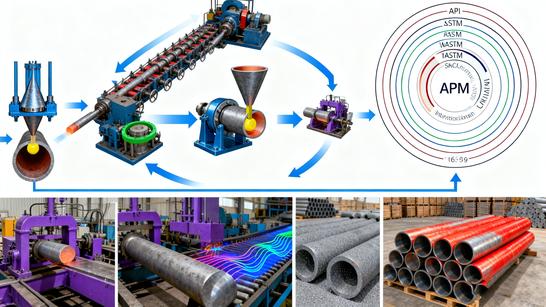
Hot-Finished Seamless Pipe for High-Pressure Applications, Hot-finished seamless pipes are manufactured by heating a solid billet and then rolling or extruding it into a pipe shape. This process ensures uniform wall thickness and strength throughout the pipe, making it ideal for high-pressure applications. These pipes are commonly used in the oil and gas industry for exploration, drilling, and production operations, where they must withstand the high pressures encountered deep underground. In refining processes, they transport crude oil and refined products between different units, ensuring a continuous flow without leaks. Petrochemical processing plants also rely on hot-finished seamless pipes to handle corrosive chemicals and gases under high pressure. Their robust construction and resistance to internal and external pressures make them a reliable choice for these demanding applications, where safety and efficiency are of utmost importance.
2.5 Other Applications
Beyond the aforementioned sectors, seamless steel pipes find applications in a multitude of other industries and scenarios. For instance, in the construction industry, they are used for structural support in buildings and bridges, where their strength and durability ensure the safety and longevity of the structure. In the automotive industry, apart from precision components, seamless pipes are also used in exhaust systems, where they must withstand high temperatures and corrosive exhaust gases. In the water supply and distribution systems, large diameter seamless pipes are used to transport potable water over long distances, ensuring a reliable supply to communities. Additionally, in the marine industry, seamless steel pipes are used in shipbuilding for various applications, including piping systems for fuel, water, and hydraulic fluids, where their resistance to corrosion from saltwater is crucial.
In conclusion, seamless steel pipes are versatile components that play a vital role in numerous industries and applications. Their ability to withstand high pressure, extreme temperatures, and corrosive environments, combined with their precision and durability, makes them the preferred choice for many critical applications. Whether in hydraulic systems, high-temperature and high-pressure environments, precision engineering, or other demanding scenarios, seamless steel pipes continue to prove their worth as reliable and efficient solutions.
3. Selection Criteria for Seamless Steel Pipes
Selecting the right seamless steel pipe is a critical decision that can significantly impact the performance, safety, and cost-efficiency of various industrial applications. The choice involves considering multiple factors, including material composition, pipe size and wall thickness, manufacturing process, standards and certifications, as well as cost considerations. Each of these factors plays a vital role in ensuring that the selected pipe meets the specific requirements of the intended application. Below is an in-depth exploration of these selection criteria.
3.1 Material Composition
The material composition of a seamless steel pipe is perhaps the most fundamental aspect to consider, as it directly influences the pipe's corrosion resistance, strength, and temperature tolerance. Different applications demand different material properties, and selecting the appropriate alloy is essential for optimal performance.
Corrosion Resistance: In environments where the pipe will be exposed to corrosive substances such as chemicals, saltwater, or acidic gases, stainless steel is often the preferred choice. Stainless steel contains chromium, which forms a passive oxide layer on the surface, protecting it from corrosion. For even higher corrosion resistance, alloys such as duplex stainless steel or super duplex stainless steel can be considered, which offer enhanced resistance to pitting and crevice corrosion.
Strength: The strength of the pipe is crucial for applications that involve high pressure or heavy loads. Carbon steel pipes, with their higher carbon content, provide greater strength and are suitable for applications such as oil and gas pipelines, boiler systems, and structural supports. For applications requiring even higher strength, alloy steel pipes, which contain additional elements such as chromium, molybdenum, or nickel, can be selected.
Temperature Toleranc: The ability of the pipe to withstand extreme temperatures is another important consideration. For high-temperature applications, such as in power plants or chemical processing units, pipes made from heat-resistant alloys like Inconel or Hastelloy are ideal. These alloys maintain their mechanical properties at elevated temperatures, ensuring reliable performance. Conversely, for low-temperature applications, such as in cryogenic storage or liquefied natural gas (LNG) transportation, pipes made from materials with good toughness at low temperatures, such as certain grades of stainless steel or nickel alloys, are preferred.
3.2 Pipe Size and Wall Thickness
Selecting the appropriate pipe size and wall thickness is crucial for ensuring that the pipe can handle the required pressure and flow rate without failing. The size and thickness of the pipe are determined by several factors, including the volume of fluid or gas to be transported, the operating pressure, and the desired flow velocity.
Pipe Size: The pipe size, typically measured by its nominal diameter (DN) or outside diameter (OD), should be chosen based on the flow rate requirements of the application. A larger diameter pipe allows for a higher flow rate but may also increase the cost and complexity of installation. Conversely, a smaller diameter pipe may be more cost-effective but could result in higher pressure drops and reduced flow efficiency.
Wall Thickness: The wall thickness of the pipe is determined by the operating pressure and the material's yield strength. Thicker walls provide greater resistance to internal pressure but also increase the weight and cost of the pipe. The wall thickness should be selected to ensure that the pipe can withstand the maximum operating pressure without exceeding its yield strength, which could lead to deformation or failure. Calculations based on standards such as ASME B31.3 or DIN 2448 can help determine the appropriate wall thickness for a given application.
3.3 Manufacturing Process
The manufacturing process used to produce the seamless steel pipe has a significant impact on its mechanical properties and surface finish. The two primary manufacturing processes for seamless pipes are hot-finished and cold-drawn, each with its own advantages and applications.
Hot-Finished Seamless Pipes: Hot-finished pipes are produced by heating a solid billet and then rolling it into a pipe shape. This process results in pipes with a rough surface finish and relatively lower dimensional accuracy compared to cold-drawn pipes. However, hot-finished pipes offer excellent mechanical properties, including high strength and ductility, making them suitable for high-pressure applications such as oil and gas pipelines, boiler systems, and structural supports. The heat treatment involved in the hot-finishing process also helps to relieve internal stresses, improving the pipe's overall durability.
Cold-Drawn Seamless Pipes: Cold-drawn pipes are produced by drawing a hot-rolled pipe through a die to reduce its diameter and increase its length. This process results in pipes with a smooth surface finish and high dimensional accuracy, making them ideal for precision engineering applications such as automotive components, machine tools, and aerospace parts. Cold-drawn pipes also exhibit improved mechanical properties, including higher tensile strength and yield strength, due to the work-hardening effect of the drawing process. However, they may be more prone to cracking or failure under high-stress conditions compared to hot-finished pipes.
3.4 Standards and Certifications
Adhering to international standards and certifications is essential for ensuring that the seamless steel pipe meets quality and safety requirements. Standards such as ASTM, DIN, and EN provide guidelines for the manufacturing, testing, and inspection of seamless pipes, ensuring their reliability and performance in various applications.
ASTM Standards: ASTM standards, such as ASTM A53 for general-purpose seamless pipes and ASTM A312 for stainless steel seamless pipes, specify requirements for chemical composition, mechanical properties, and testing methods. Compliance with these standards ensures that the pipe meets the minimum quality and safety requirements for its intended application.
DIN Standards: DIN standards, such as DIN 2448 for seamless steel pipes, provide similar guidelines for the manufacturing and testing of seamless pipes in Europe. These standards are widely recognized and accepted in the international market, ensuring compatibility and interchangeability of pipes produced in different countries.
EN Standards: EN standards, such as EN 10216 for seamless steel tubes for pressure purposes, are harmonized standards that have been adopted by multiple European countries. Compliance with EN standards ensures that the pipe meets the highest quality and safety requirements in Europe and is suitable for use in various pressure applications.
Certifications: In addition to adhering to standards, obtaining certifications from reputable third-party organizations can further enhance the credibility and marketability of the seamless steel pipe. Certifications such as ISO 9001 for quality management systems and ISO 45001 for occupational health and safety management systems demonstrate the manufacturer's commitment to quality and safety.
3.5 Cost Considerations
Balancing cost with performance is essential, especially for large-scale projects where budget constraints are a factor. While it may be tempting to opt for the cheapest option available, doing so could result in higher long-term costs due to premature failure, maintenance, or replacement. Therefore, it is important to consider the total cost of ownership (TCO) when selecting a seamless steel pipe.
Initial Cost: The initial cost of the pipe includes the purchase price, transportation costs, and any installation or fabrication costs. While it is important to keep these costs within budget, it is also crucial to ensure that the selected pipe meets the performance requirements of the application.
Operating Costs: Operating costs include energy consumption, maintenance, and repair costs. Pipes with higher efficiency and lower maintenance requirements can significantly reduce operating costs over their lifespan. For example, pipes with a smooth surface finish and high dimensional accuracy can reduce friction and wear, improving energy efficiency and reducing maintenance needs.
Replacement Costs: The cost of replacing a failed pipe can be significant, especially if it results in downtime or damage to other components. Therefore, selecting a pipe with a longer lifespan and higher reliability can reduce replacement costs and improve overall project economics.
Lifecycle Cost Analysis: Conducting a lifecycle cost analysis (LCCA) can help evaluate the total cost of ownership of different pipe options over their expected lifespan. This analysis considers all costs associated with the pipe, including initial, operating, and replacement costs, to determine the most cost-effective option.
In conclusion, selecting the right seamless steel pipe involves a comprehensive evaluation of multiple factors, including material composition, pipe size and wall thickness, manufacturing process, standards and certifications, and cost considerations. By carefully considering these factors, professionals can make informed decisions that ensure optimal performance, safety, and cost-efficiency in various industrial applications.
Conclusion
Seamless steel pipes offer unparalleled advantages in terms of strength, durability, and uniformity, making them a preferred choice in various industrial applications. By understanding the types, applications, and selection criteria, professionals can make informed decisions that ensure optimal performance and cost-efficiency. For more detailed information and product specifications, refer to the following cluster articles that delve deeper into specific types of seamless steel pipes.