
Introduction
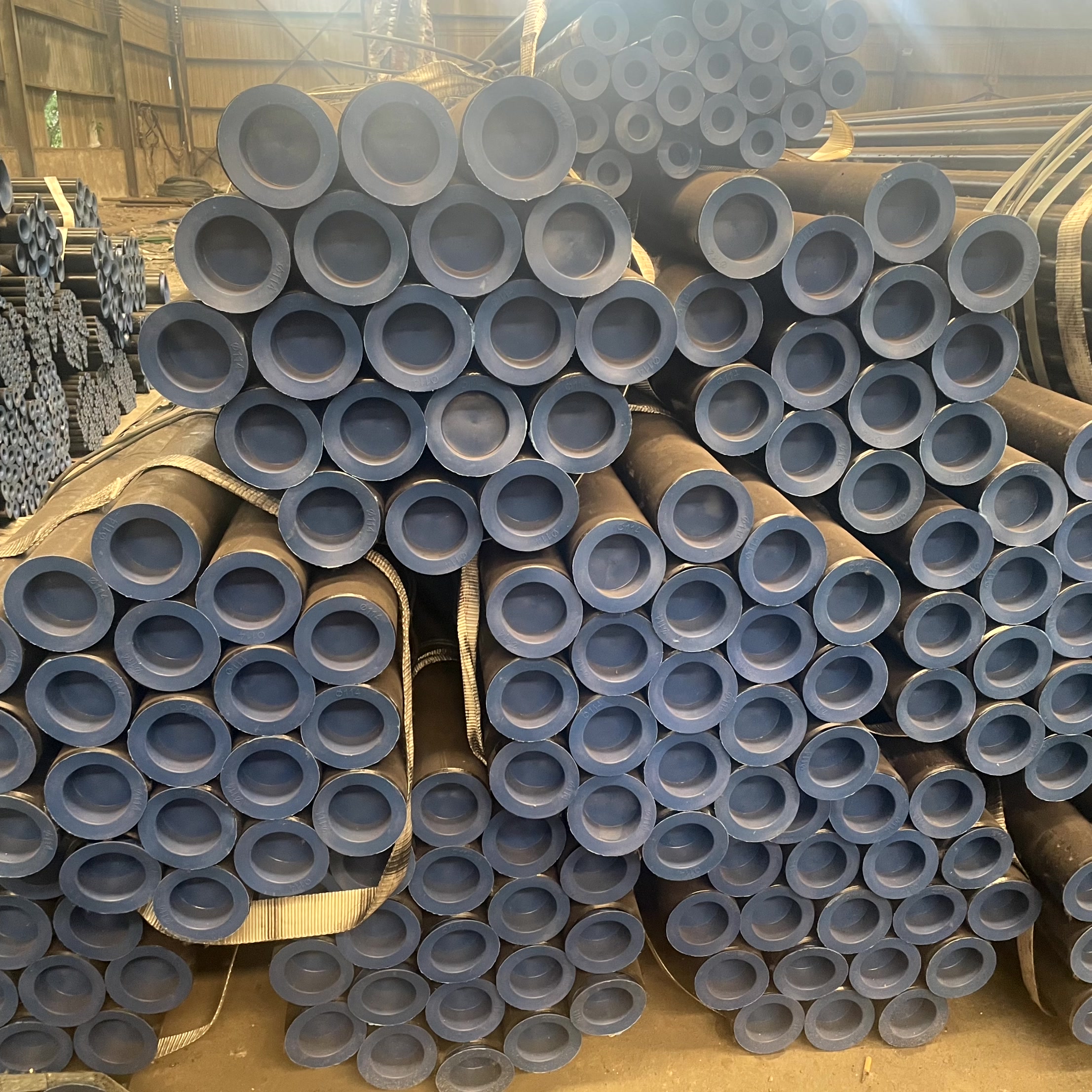
In the vast and intricate landscape of industrial manufacturing, stainless steel seamless pipes emerge as indispensable components, particularly within the chemical and food processing sectors. These industries operate under stringent conditions where hygiene, corrosion resistance, and durability are not merely desirable attributes but absolute necessities. The seamless construction of these pipes, coupled with the inherent properties of stainless steel, renders them ideal for transporting a variety of substances, ranging from highly corrosive chemicals to sensitive food products. This article delves deeper into the specific roles of TP304 and TP316 stainless steel seamless pipes in these critical industries, elucidating their unique properties, diverse applications, and the cutting-edge innovations that continue to propel their relevance and efficiency.
1.Properties of TP304 and TP316 Stainless Steel
1.1 General Characteristics of Austenitic Stainless Steels
TP304 and TP316 stainless steels belong to the austenitic family, a group renowned for its excellent combination of corrosion resistance, formability, and weldability. Austenitic stainless steels are characterized by their face-centered cubic crystal structure, which imparts them with a high degree of ductility and toughness even at cryogenic temperatures. This structural stability ensures that these steels maintain their mechanical properties across a wide range of operating conditions, making them versatile materials for various industrial applications.
1.2 Specific Attributes of TP304 Stainless Steel
TP304, often referred to as 18/8 stainless steel due to its composition of approximately 18% chromium and 8% nickel, exhibits remarkable resistance to oxidation and corrosion in mildly corrosive environments. Its chromium content forms a passive oxide layer on the surface, which acts as a protective barrier against further corrosion. This makes TP304 suitable for applications where exposure to atmospheric conditions, fresh water, and mild chemicals is expected. Additionally, its good formability and weldability facilitate ease of fabrication into complex shapes and structures, such as pipes, fittings, and tanks.
1.3 Enhanced Corrosion Resistance of TP316 Stainless Steel
TP316 stainless steel builds upon the foundation of TP304 by incorporating molybdenum into its composition, typically around 2-3%. Molybdenum significantly enhances the steel's resistance to pitting and crevice corrosion, particularly in chloride-rich environments like seawater, brine solutions, and certain chemical processing streams. This makes TP316 an ideal choice for applications where the risk of localized corrosion is high, such as in marine environments, chemical plants, and pharmaceutical manufacturing. Furthermore, TP316 retains the excellent formability and weldability of TP304, ensuring ease of processing and installation.
2.Applications in Chemical Processing
2.1 Transporting Corrosive Chemicals
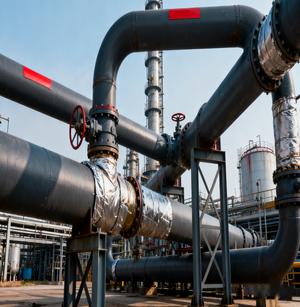
In the chemical processing industry, the transportation of corrosive substances is a daily occurrence. Stainless steel seamless pipes, particularly those made from TP316, are widely used to convey acids, bases, solvents, and various chemical intermediates. Their superior corrosion resistance ensures that the pipes can withstand the harsh chemical environments without degrading, thereby minimizing the risk of leaks and contamination. This reliability is crucial for maintaining the integrity of chemical processes and preventing costly downtime due to pipe failures.
2.2 Ensuring Efficient Flow of Chemicals
The smooth inner surface of stainless steel seamless pipes plays a pivotal role in ensuring the efficient flow of chemicals. Unlike welded pipes, which may have irregularities at the weld seams, seamless pipes offer a consistent and unobstructed pathway for fluids. This reduces friction losses and pressure drops, allowing chemicals to flow freely and at lower energy costs. In large-scale chemical plants, where multiple pipes are interconnected to form complex networks, the use of seamless pipes can lead to significant energy savings and improved overall process efficiency.
2.3 Handling High-Temperature and High-Pressure Applications
Chemical processes often involve elevated temperatures and pressures, which can pose challenges for conventional piping materials. Stainless steel seamless pipes, with their high strength and excellent thermal stability, are well-suited for such demanding conditions. They can withstand high temperatures without losing their mechanical properties or corroding, ensuring safe and reliable operation even in the most extreme environments. This makes them indispensable in applications such as steam lines, heat exchangers, and pressure vessels.
3.Applications in Food Processing
3.1 Meeting Stringent Hygiene Standards
The food processing industry operates under some of the most stringent hygiene standards to ensure the safety and quality of food products. Stainless steel seamless pipes, with their non-porous and smooth surfaces, are ideal for conveying food ingredients, beverages, and finished products. Their resistance to bacterial growth and ease of cleaning make them the preferred choice for food contact surfaces. Unlike other materials that may harbor bacteria in crevices or porous structures, stainless steel pipes can be thoroughly sanitized, reducing the risk of cross-contamination and ensuring food safety.
3.2 Facilitating Easy Cleaning and Sanitization
The smooth finish of stainless steel seamless pipes not only prevents bacterial growth but also facilitates easy cleaning and sanitization. Food processing equipment, including pipes, must be regularly cleaned to remove residues and prevent the buildup of contaminants. Stainless steel pipes can be cleaned using a variety of methods, including high-pressure water jets, steam cleaning, and chemical sanitizers, without damaging the surface or compromising their integrity. This ease of maintenance ensures that food processing lines can operate efficiently and meet the highest hygiene standards.
3.3 Withstanding Harsh Cleaning Chemicals
Food processing facilities often use harsh cleaning chemicals to ensure thorough sanitization. These chemicals can be highly corrosive, posing a challenge for many piping materials. Stainless steel seamless pipes, however, exhibit excellent resistance to a wide range of cleaning agents, including acids, alkalis, and chlorine-based sanitizers. This resistance ensures that the pipes remain intact and functional even after repeated exposure to aggressive cleaning chemicals, extending their service life and reducing maintenance costs.
4.Innovations in Stainless Steel Seamless Pipes
4.1 Development of Advanced Alloys
Recent years have witnessed significant advancements in the development of stainless steel alloys with enhanced properties. Researchers and manufacturers have focused on creating alloys that offer improved corrosion resistance, higher strength, and better thermal stability. For example, duplex stainless steels, which combine the austenitic and ferritic microstructures, offer superior resistance to stress corrosion cracking and higher strength compared to conventional austenitic stainless steels. These advanced alloys are expanding the range of applications for stainless steel seamless pipes in both chemical and food processing industries.
4.2 Adoption of Precision Manufacturing Techniques
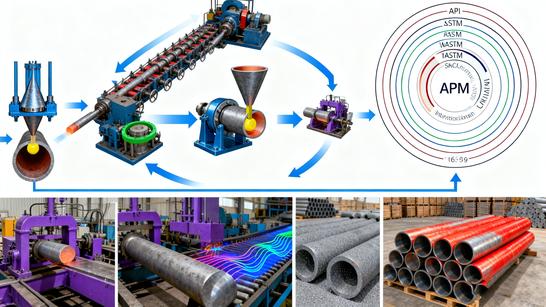
The adoption of precision manufacturing techniques, such as cold drawing and extrusion, has revolutionized the production of stainless steel seamless pipes. These techniques allow for the creation of pipes with exacting tolerances, smooth surfaces, and consistent wall thicknesses. Precision-manufactured pipes not only ensure better fit and function in complex piping systems but also reduce the risk of failures and leaks. Additionally, advanced manufacturing processes can produce pipes with customized shapes and sizes, catering to the specific needs of different applications.
4.3 Integration of Smart Technologies
The integration of smart technologies, such as sensors and monitoring systems, into stainless steel seamless pipes is another emerging trend. These technologies enable real-time monitoring of pipe conditions, including temperature, pressure, and corrosion levels. By continuously collecting and analyzing data, operators can detect potential issues before they escalate into costly failures, ensuring the safe and efficient operation of chemical and food processing plants. Smart pipes also facilitate predictive maintenance, reducing downtime and optimizing resource utilization.
Conclusion
Stainless steel seamless pipes, particularly those made from TP304 and TP316 grades, play a pivotal role in the chemical and food processing industries. Their unique combination of corrosion resistance, hygiene, durability, and efficiency makes them indispensable components in a wide range of applications. By understanding their properties, applications, and the latest innovations, we can appreciate their critical importance in ensuring the safe and efficient processing of chemicals and food products. As industries continue to evolve and demand higher standards of performance and sustainability, stainless steel seamless pipes will undoubtedly remain at the forefront of technological advancements, driving progress and innovation in the years to come.
[Back to The Comprehensive Guide to Specialized Seamless Pipes: Applications, Standards, and Innovations]