
Introduction
In the realm of energy production, thermal power plants stand as stalwarts, converting heat energy into mechanical energy to drive turbines and generate electricity. At the heart of these powerhouses lie seamless boiler tubes, components that are not only fundamental to the operation but also pivotal in ensuring the efficiency and safety of the entire system. This article delves deeper into the significance of seamless boiler tubes, exploring their unique properties, diverse applications, maintenance protocols, and the cutting-edge innovations that continue to redefine their role in thermal power generation.
1.Properties of Seamless Boiler Tubes
1.1 High Temperature and Pressure Resistance
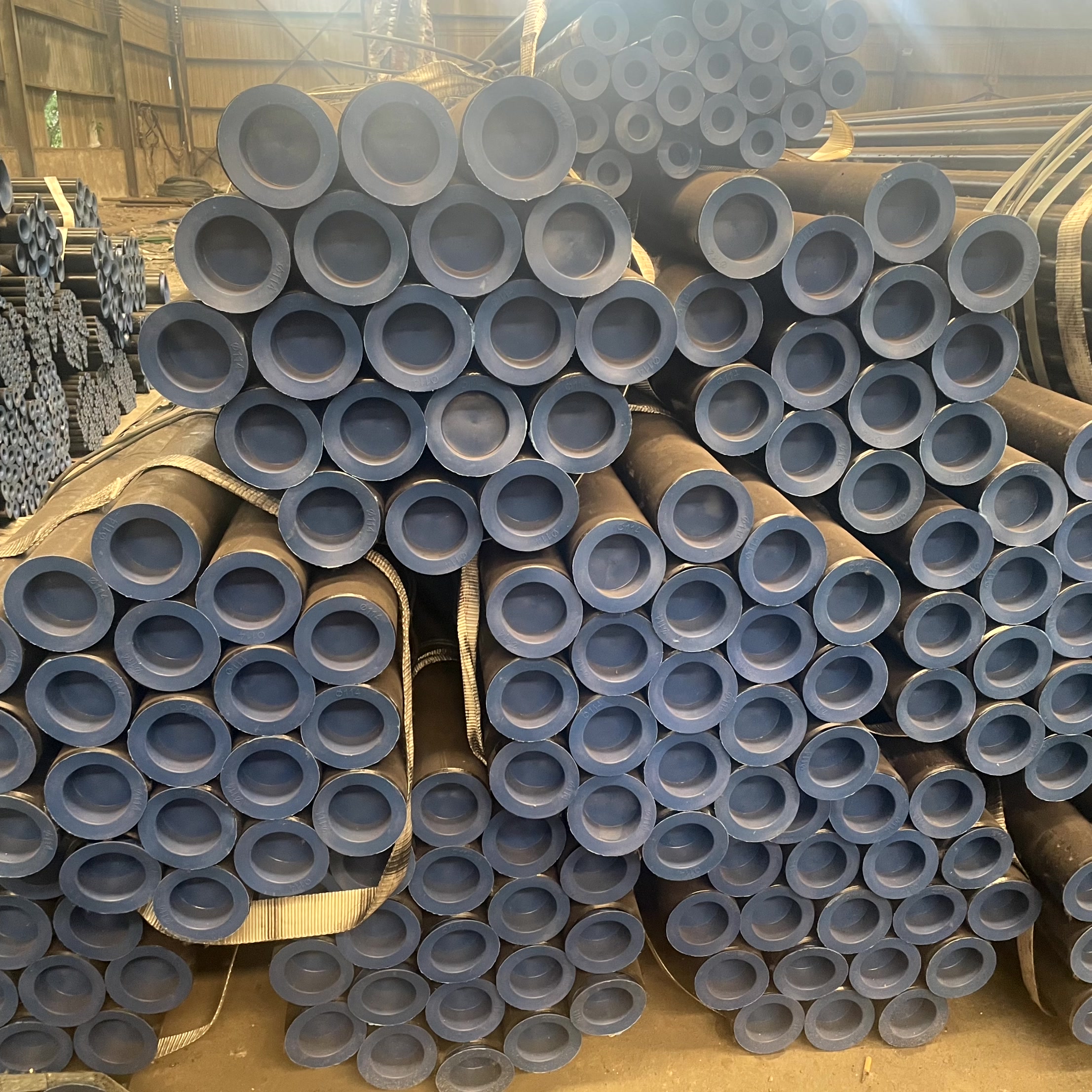
Seamless boiler tubes, exemplified by materials like EN 10216-1 P235GH, are engineered to endure the most extreme conditions. Their seamless construction eliminates the inherent weaknesses found in welded tubes, such as potential leak points at the welds. This seamless integrity ensures that the tubes can withstand the high pressures and temperatures prevalent in boiler environments without succumbing to failure. The ability to maintain structural integrity under such conditions is crucial for the safe and efficient operation of thermal power plants.
1.2 Enhanced Thermal Conductivity
Another key property of seamless boiler tubes is their high thermal conductivity. This characteristic enables efficient heat transfer from the combustion chamber to the water, facilitating the rapid conversion of water into steam. The efficiency of this heat transfer process directly impacts the overall thermal efficiency of the power plant. By minimizing heat losses and maximizing steam production, seamless boiler tubes contribute significantly to the plant's energy output and operational cost-effectiveness.
1.3 Resistance to Thermal Fatigue
Thermal power plants operate under cyclic conditions, with boiler tubes experiencing repeated heating and cooling cycles. This constant fluctuation in temperature can lead to thermal fatigue, a phenomenon that can cause cracks and eventual failure in less resilient materials. Seamless boiler tubes, however, are designed to resist thermal fatigue, ensuring their longevity and reliability even under the most demanding operational conditions. This resistance to fatigue is achieved through careful material selection and advanced manufacturing processes that enhance the tubes' microstructural stability.
2.Applications in Thermal Power Plants
2.1 Heat Transfer in Boilers
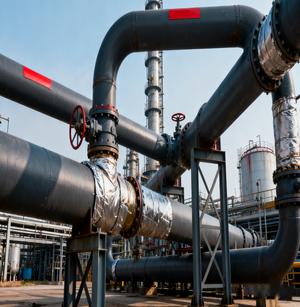
The primary application of seamless boiler tubes in thermal power plants is in the heat transfer process within boilers. These tubes form the core of the boiler's heat exchange system, where they facilitate the transfer of heat from the hot gases produced during combustion to the water circulating through the tubes. This heat transfer converts the water into high-pressure steam, which then drives the turbines to generate electricity. The efficiency and reliability of these tubes are paramount, as any failure or leak could disrupt the entire power generation process, leading to costly downtime and repairs.
2.2 Steam Generation and Turbine Drive
Once the water has been converted into steam within the boiler tubes, it is directed towards the turbines. The high-pressure steam expands as it passes through the turbine blades, causing them to rotate. This rotational motion is then converted into electrical energy by the generator connected to the turbine shaft. The seamless boiler tubes play a critical role in this process by ensuring a continuous and reliable supply of high-quality steam. Any interruption in steam flow or degradation in steam quality due to tube failures can significantly impact the turbine's performance and the overall efficiency of the power plant.
3.Maintenance and Inspection of Seamless Boiler Tubes
3.1 Regular Corrosion and Wear Checks
To ensure the long-term reliability and safety of seamless boiler tubes, regular maintenance and inspection are essential. This includes routine checks for signs of corrosion, which can weaken the tubes and lead to leaks. Corrosion can occur due to various factors, including the presence of impurities in the water, high temperatures, and chemical reactions with the tube material. Regular inspection allows for the early detection of corrosion, enabling timely repairs or replacements to prevent more severe damage.
3.2 Non-Destructive Testing for Internal Defects
In addition to visual inspections, non-destructive testing (NDT) techniques are employed to detect any internal defects within the seamless boiler tubes. These defects, such as cracks, inclusions, or voids, can compromise the tube's structural integrity and lead to failure under pressure. NDT methods, such as ultrasonic testing, radiographic testing, and magnetic particle inspection, allow for the detection of these defects without damaging the tubes, ensuring their continued safe operation.
3.3 Proper Cleaning and Descaling
Maintaining the thermal conductivity of seamless boiler tubes is crucial for their efficient operation. Over time, deposits can build up on the inner surface of the tubes, reducing their ability to transfer heat effectively. These deposits, known as scale, can form due to the precipitation of minerals present in the water. Regular cleaning and descaling of the tubes are necessary to remove these deposits and restore their thermal conductivity. This process not only improves the efficiency of the heat transfer process but also prevents blockages that could lead to overpressure situations and potential tube failures.
4.Innovations in Seamless Boiler Tube Technology
4.1 Advanced Alloys for Enhanced Performance
Recent innovations in seamless boiler tube technology have focused on the development of advanced alloys with improved properties. These alloys offer enhanced thermal conductivity, allowing for more efficient heat transfer and higher steam production rates. Additionally, they exhibit superior resistance to thermal fatigue and corrosion, extending the service life of the tubes and reducing the need for frequent replacements. The use of these advanced alloys has expanded the range of applications for seamless boiler tubes, enabling their use in more demanding and high-performance power plant environments.
4.2 Precision Manufacturing Techniques
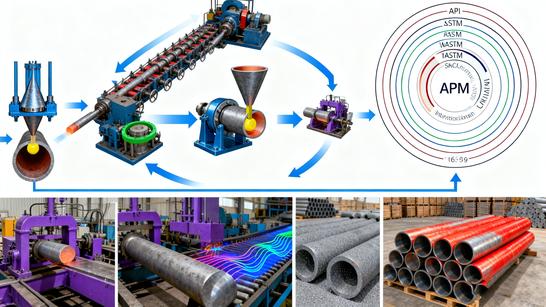
The adoption of precision manufacturing techniques has also played a significant role in enhancing the quality and reliability of seamless boiler tubes. These techniques, such as cold drawing and extrusion, allow for the production of tubes with exacting tolerances and consistent wall thicknesses. This precision ensures that the tubes fit perfectly within the boiler system, reducing the risk of leaks and failures due to improper fitment. Additionally, precision manufacturing processes can produce tubes with customized shapes and sizes, catering to the specific needs of different power plant designs and applications.
Conclusion
Seamless boiler tubes are indispensable components in thermal power plants, playing a critical role in ensuring the efficiency and safety of the power generation process. Their unique properties, diverse applications, rigorous maintenance protocols, and ongoing technological innovations underscore their importance in driving the industry forward. By understanding and appreciating the role of seamless boiler tubes, we can better appreciate the complexity and sophistication of modern thermal power generation systems and the critical role that these components play in keeping the lights on around the world.
[Back to The Comprehensive Guide to Specialized Seamless Pipes: Applications, Standards, and Innovations]